

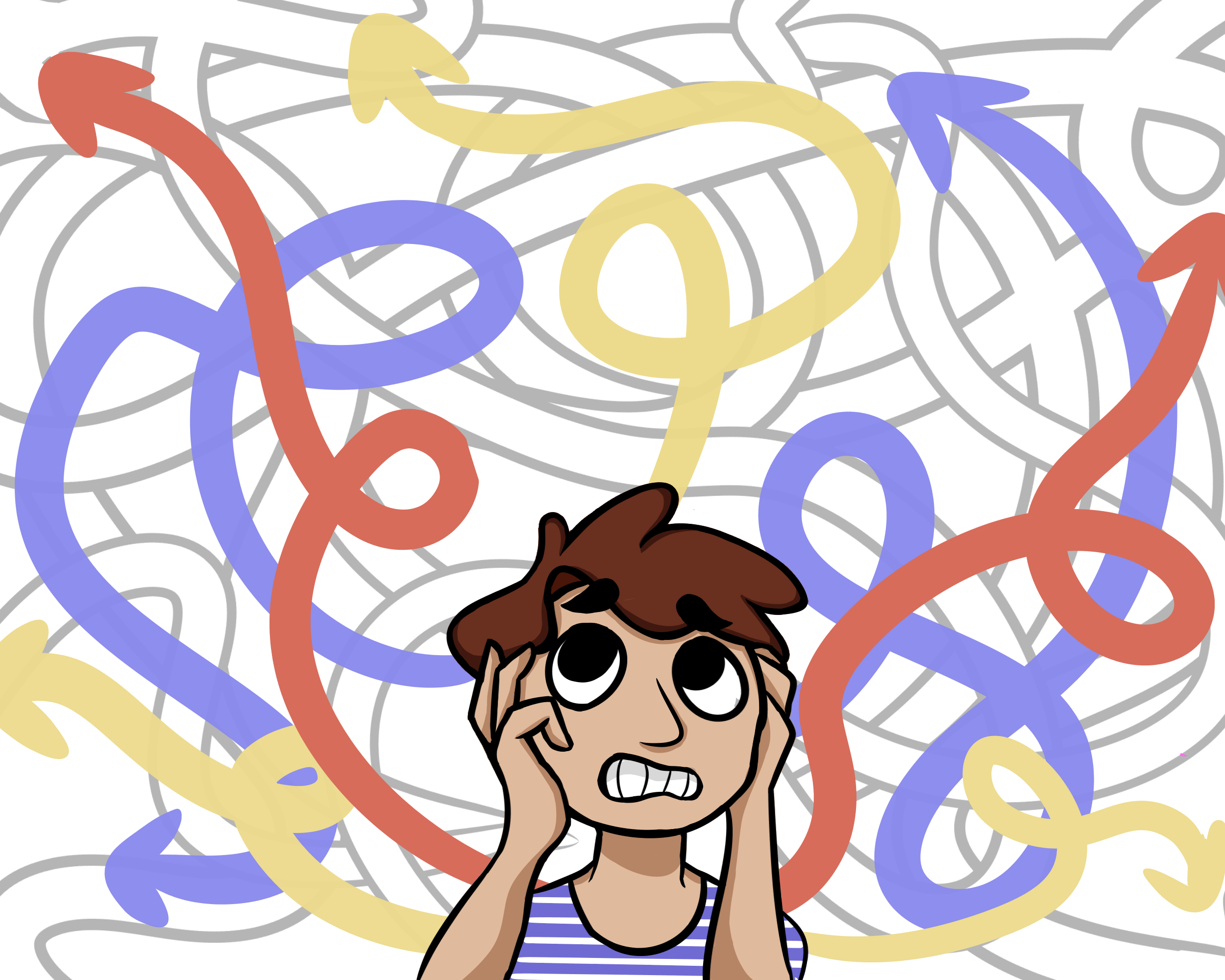
In Parashat Va-eira, God sends Moses to speak words of hope to a people who can barely breathe. The Torah tells us they do not listen—not because they don't care, but because life has worn them down. When suffering is constant, even the promise of freedom can feel unreachable and foreign.
That "shortness of breath" feels very current. This week we learned that Beth Israel Congregation in Jackson, Mississippi—one of the oldest Jewish communities in the state—was heavily damaged by an act of arson. Parts of the synagogue, its library, and Torah scrolls were destroyed, and the incident is being investigated as a hate crime. Authorities arrested a suspect who allegedly targeted the synagogue because of its Jewish identity. The congregation has vowed to rebuild with support from neighbors.
Elsewhere, in Minneapolis, a 37-year-old woman, Renee Nicole Good, was fatally shot by an ICE agent while she was driving away from a scene where federal agents were operating. Local leaders and national commentators alike are debating what happened and whether lethal force was justified, and the shooting has reignited intense public discussion about policing and accountability.
Both events are distressing reminders that our communities still struggle with violence, fear, and oppression. Like the Israelites in Egypt, many today feel crushed by forces beyond their control—whether hatred against a house of worship, or fear of militarized law enforcement in their own streets. In such moments, words of hope can feel distant or impossible to hear.
The Torah does not ask us to pretend otherwise. It tells the truth about what pain does to the human spirit.
This week's Haftarah from Ezekiel sharpens the contrast between two ways of responding to a dangerous world. Pharaoh is described as claiming the Nile as his own: "The river is mine; I made it." The Nile—source of life and abundance—becomes something to hoard and weaponize. This image rings true today when we see systems that treat power and resources as personal property rather than shared blessings. In our own time, too many leaders and institutions behave as if safety, justice, and dignity are luxuries rather than rights. Pharaoh and too many modern leaders see threat everywhere, and respond with preemptive violence. They play a zero-sum game: for them to feel safe, others must be controlled; for them to have power, others must lose it.
What separates us from Pharaoh is not that we are untouched by the ever looming sense of fear or threat—but how we respond to it.
Judaism insists that when we see pain, hate, and injustice, our task is not to protect power at all costs, but to widen dignity and safety for everyone—not only for those who are most like us, and not only even for the immediate victims. We are called to build systems that are fair, accountable, and humane, even when that work is slow and imperfect.
Redemption, as Vaera teaches, is not instant. It unfolds in stages. God's four expressions of redemption—"I will bring you out…deliver you…redeem you…take you as My people"—show that freedom isn't a single moment; it's a journey of care and persistence. It requires refusing the lie that safety can be stolen from others, and choosing instead to believe that justice can grow without leaving anyone behind.
This Shabbat, may we resist and push back against the Pharaoh-logic of fear and scarcity. May we keep faith in the abundance and possibility of a justice system—and a society—that applies its values equitably, and keeps expanding its moral reach. And may we be among those who help the world breathe more freely. Like God with the Israelites, may we return again and again with presence, courage, and compassion.
Shabbat Shalom.