


This week's Parashat Tol'dot is full of soap-opera level drama—siblings at odds, blessings traded, a family trying its best to move forward. But in the middle of all that drama, the Torah pauses for a quiet detail: Isaac goes out and re-digs the wells that his father Abraham once dug.
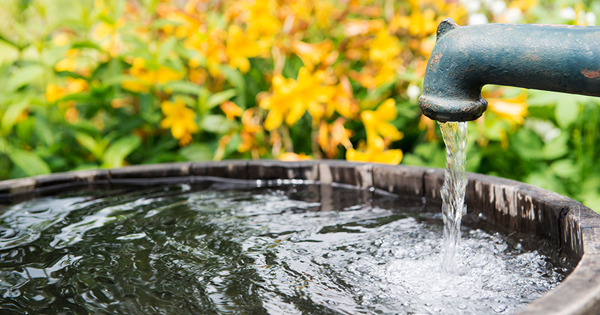
It's the kind of verse people skim past. But wells weren't just holes in the ground. In the ancient world, a well was the center of community life—the gathering spot, the meeting place, the source of connection. People shared stories, solved problems, found friendship, and often met their future spouses while filling their jugs with water.
So when Isaac clears out those old wells, he isn't just doing maintenance. He's reopening the places where people meet each other honestly and openly. And when new wells cause conflict, Isaac keeps digging until he finds one everyone can share. He names it Rehobot—"expansiveness"—and says, "Now God has given us room."
Room. Space. The possibility of true connection.
Today, we don't gather at wells. But we do gather at water coolers, in office kitchens, in coffee lines—those small in-between spaces where casual conversation suddenly becomes something real.
And here at Temple Jeremiah, we have our own wells: The lobby during oneg, where someone you barely know asks how your week was—and you actually tell them. Social justice projects, where shared purpose turns strangers into partners. Sunday mornings at J-Quest, where parents and teachers linger just long enough to create a moment of honest conversation. These are the places where relationships take root. Where we go beyond "How are you?" and step into "No really, how are you?"
But wells don't stay open on their own. They get blocked when we're busy, distracted, or hesitant to start a conversation. They get filled in when we stay at the surface, when we rush out the door, or when we assume someone else will do the welcoming, the connecting, the reaching out.
Tol'dot reminds us that connection requires effort. Isaac had to dig—again and again—to reopen the flow.
And at Temple Jeremiah, every one of us has that same role. Each one of us is an ambassador for this community. Not in a formal, job-description kind of way, but in the simple, powerful way of how we show up.
An ambassador is someone who represents the community's values. Someone who opens the door for others—sometimes literally, sometimes emotionally. Someone who makes sure that the wells stay open.
Being an ambassador might look like: Welcoming a new face instead of waiting for someone else to do it. Inviting someone into conversation at oneg. Noticing who's standing alone at J-Quest drop-off and offering a hello. Asking real questions and being willing to share real answers. Making space—Rehobot—for others to feel like they belong. These small moments are what keep our wells flowing.
As we read Tol'dot this week, maybe we can take a simple but meaningful message:
Look for your wells. And help open them for someone else.
Choose the small pause, the deeper question, the extra minute of attention. Be the person who makes space—who creates room for others to feel known and valued.
May we all be well-diggers and ambassadors of connection. And may Temple Jeremiah continue to be a community filled with Rehobot, spacious, welcoming, and alive with the honest, deep conversations that help us truly see one another.