


When I became Executive Director, I expected to spend my days focused on people, programs, and planning for the future of our congregation. What I did not realize was how much of my role would involve learning the language of buildings. Over time, I have become fluent, at least conversational, in HVAC systems, electrical infrastructure, plumbing, concrete, asphalt, masonry, finishes, and the complicated choreography that keeps an aging facility functioning day after day.
Running a building, I have learned, is less about fixing what is broken and more about understanding how every system depends on another. When one part struggles, it impacts everything else. Sometimes the problem is not where the symptom appears. Sometimes the sanctuary feels too cold because of something happening far behind the walls, something unseen and long overdue for attention.
On more than one occasion, I have joked that this feels like my own version of This Old House. And perhaps I should pitch a new series, "This Old Shul," where members of the Building Committee gather faithfully to hear vendors explain, often with great seriousness, how the sanctuary can be both too hot and too cold at the same time.
As I reflected on Parshat Shemot, it struck me that the Torah opens this book not with miracles or revelation, but with systems under strain. The Israelites are growing. The structures around them, political, social, and moral, can no longer hold that growth. What once provided stability now becomes oppressive. The problem is not a single moment of cruelty. It is a system that has not been maintained, adjusted, or reimagined as circumstances changed.
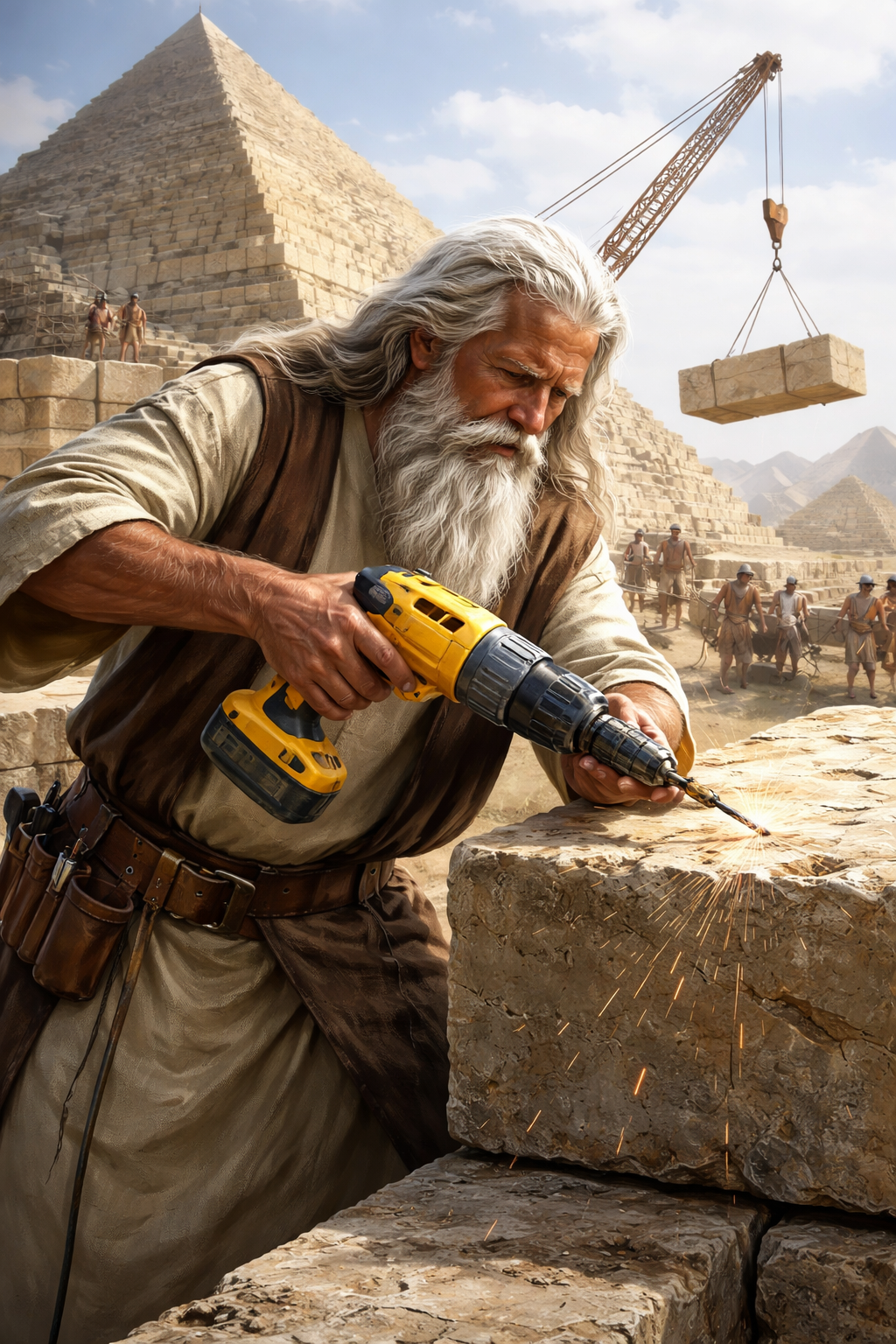
Pharaoh responds the way failing systems often do. Instead of repairing what is broken, he adds pressure. More bricks. Less straw. The workload increases, but the foundation remains unsound. Anyone who has worked on an aging building knows this instinct well, patching symptoms instead of addressing root causes, hoping the structure will hold just a little longer.
Enter Moses, not as a master builder or a seasoned leader, but as someone who begins by noticing. He sees suffering others have learned to ignore. He pauses at a burning bush, something that should not be possible, yet refuses to be consumed. Before Moses is asked to lead a people, he is asked to pay attention.
Running a building teaches the same lesson. You learn to listen, to the hum of a system, to the cracks that appear slowly over time, to the things that have "always been this way" but no longer work. You learn humility in the face of complexity and patience in the face of long timelines. True care does not come from dramatic fixes. It comes from steady, thoughtful stewardship.
Our synagogue building, like the community it shelters, carries history in its walls. It holds the imprint of generations who prayed, learned, celebrated, mourned, and gathered here. Maintaining it is not about nostalgia or perfection. It is about responsibility. It is about honoring what has been built while preparing it to serve those who are still coming.
Parshat Shemot reminds us that liberation does not begin with escape. It begins with awareness, with courage, and with the willingness to take responsibility for what we have inherited. Just as Moses learns that leadership means tending to something larger than himself, we too are called to care for the structures, physical and communal, that sustain Jewish life.
May this Shabbat inspire us to notice what needs attention, to resist the temptation to ignore strain or discomfort, and to commit ourselves to the sacred work of maintenance, renewal, and growth.
Shabbat Shalom,
Danny Glassman