


Before the world was created, there were names.
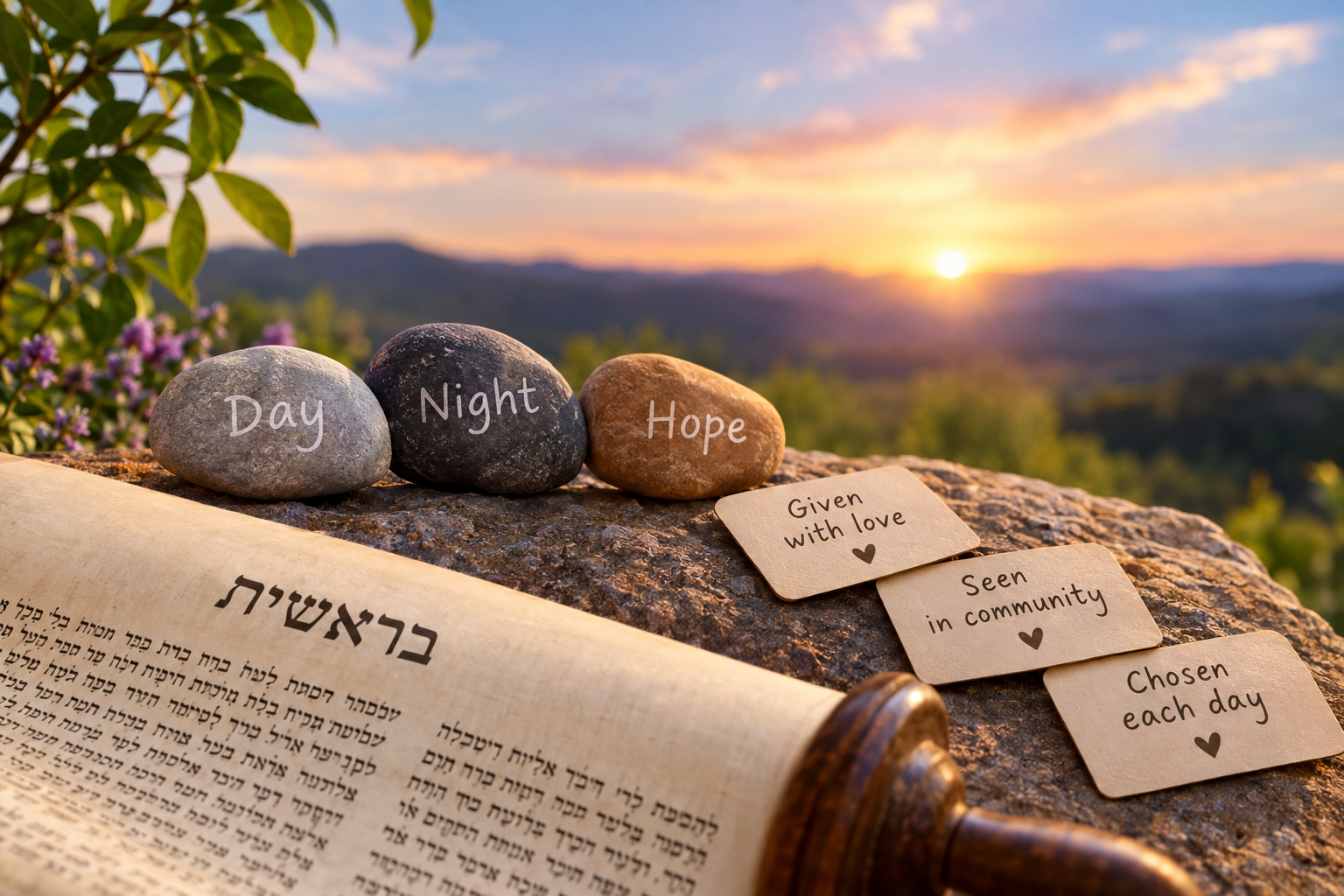
In the opening chapter, God creates not through physical labor, but through speech saying, "Let there be light," (Genesis 1:3). Yet God's creative act is not complete until God names what has been brought forth. God calls the light "Day" and the darkness "Night." Naming is the definitive act of creation. It distinguishes the before from the after, the order from the chaos.
Soon after, God invites human beings into this sacred practice of naming. In the Garden, God brings each living creature before Adam to see what he will call them. By naming the animals, humanity becomes a partner in Creation. Later in the parashat, we encounter the long, rhythmic genealogy of generations. Name after name after name, from generation to generation to generation.
Why is the act of naming so central to the beginning of the world?
Because naming is, fundamentally, an act of hope.
To give something a name is to declare that it has a future. When parents hold a newborn child and bestow a name, they are not describing a finished product. They are offering a prayer, an aspiration, and a promise. In Midrash Tanchuma (Vayakhel 1), our sages teach a profound truth about names:
"A person has three names: one that their parents give them, one that others call them, and one that they acquire for themselves. Best of all is the one they acquire for themselves."
The first name is the gift of heritage and parental vision – the foundation of love that welcomed us into existence. The second name reflects how we walk in the world. It is our reputation and represents how our community perceives our deeds and our character.
The third name, however, is the most sacred. It is the name we author each day through the choices we make. It is the shem tov, the good name, forged when the world is challenging and we choose to act from our values anyway.
As we begin this new Torah cycle in a world that often feels fractured or uncertain, B'reishit reminds us that we are never merely passive witnesses to our circumstances. Like Adam in the garden, we are continually called to look at our lives, our community, and the people around us, and name them with hope rather than despair.
May this Shabbat offer us the quiet space to reflect on both the names we have inherited and the good names we seek to embody each and every day.
Shabbat Shalom,
Rabbi Ben Rosen